
Cyclic di-Nucleotides as adjuvants
Keywords
Cyclic di-Nucleotides,adjuvants,Mucosal,vaccination,antigen,eukaryotic,c-di-GMP,c-di-AMP
Invention Novelty
This invention introduces a groundbreaking approach to mucosal vaccine delivery by utilizing cyclic di-nucleotides, such as c-di-GMP and c-di-AMP, as potent adjuvants. These naturally occurring bacterial signaling molecules mimic the early stages of infection, activating the immune system and prompting a targeted immune response. When co-administered with antigens through mucosal delivery routes, such as nasal sprays or nebulizers, they elicit strong systemic and local immune reactions. This novel method not only enhances antigen stability and improves delivery to immune sites but also promotes a balanced Th1/Th2 and Th17 immune response, offering a significant advancement in the development of mucosal vaccines that are more effective and resistant to degradation.
Value Proposition
Mucosal vaccine delivery via nasal sprays or nebulizers provides a non-invasive, convenient method of administration, increasing patient acceptance, particularly in developing countries. Unlike traditional injections, which pose a risk of disease transmission (e.g., HIV), mucosal vaccines offer a safer alternative. By leveraging cyclic di-nucleotides as adjuvants, this technology boosts immune responses, enhances vaccine stability, and ensures efficient immune cell targeting. These advantages make it ideal for mass vaccination campaigns, especially in low-resource settings, where ease of use, low cost, and safety are paramount for large-scale immunization efforts.
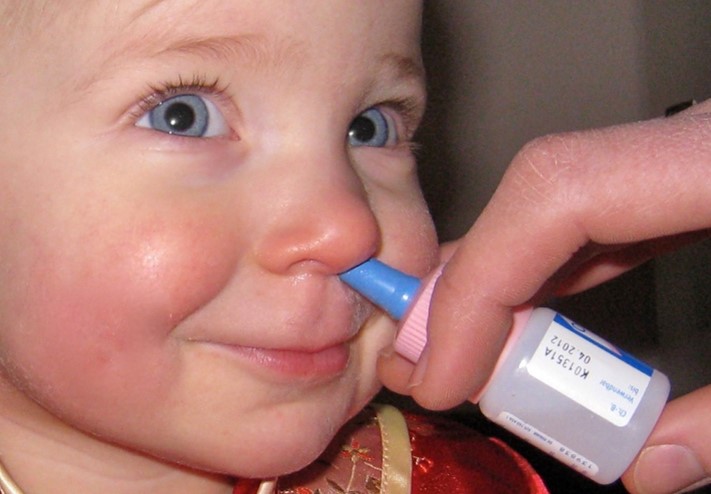
Intra-nasal (mucosal) vaccination.
Technology Description
Cyclic di-nucleotides, such as c-di-GMP and c-di-AMP, are key regulators in bacterial metabolism. In eukaryotic organisms, these cyclic di-nucleotides act as signaling molecules, mimicking early infection signals and triggering the immune system's natural response. These adjuvants are particularly effective when used for mucosal vaccination. Co-administration with antigens via intranasal application induces antigen-specific immune responses with a mixed Th1/Th2 and Th17 phenotype, enhancing both systemic and localized immune protection against pathogens that invade through mucosal surfaces.
Commercial Opportunity
The technology is offered for co-development or in-licensing.
Development Status
Proof of principle with a variety of disease relevant antigens obtained in vivo. First clinical trial phase I initiated in 2023.
Patent Situation
International application filed in November 2006 (WO2007054279). Granted patents in Europe (EP1959989B1), USA (US8,257,734B2), Canada, Australia, India and Hongkong.
Further Reading
Ebensen et al. 2023: Pulmonary Application of Novel Antigen-Loaded Chitosan Nano-Particles Co-Administred with the Mucosal Adjuvant C-Di-AMP Resulted in Enhanced Immune Stimulation and Dose Sparing Capacity. Pharmaceutics 2023, Band 15, Issue 4. DOI: 10.3390/pharmaceutics15041238.
Ebensen et al.: The Combination Vaccine Adjuvant System Alum/c-di-AMP Results in Quantitative and Qualitative Enhanced Immune Responses Post Immunization. Front Cell Infect Microbiol 2019, 9, 31.DOI: 10.3389/fcimb.2019.00031.
Licensing Contact

Dr Alejandro Restrepo Arango
Technology ScoutT: +49 531 618120-92
restrepo@ascenion.de
Institute of Origin