
HSV signature antibodies predict the development of anti-NMDA receptor encephalitis
Keywords
anti-NMDA-receptor encephalitis (NMDARE),herpes simplex encephalitis (HSE),biomarker,diagnostics ELISA
Invention Novelty
Researchers of Charité and Johns Hopkins University developed a technology that utilizes newly identified biomarkers to quantify the probability of developing secondary anti-NMDA receptor encephalitis after herpes simplex encephalitis (HSE), which can lead to long-term disabilities. This is the first test to determine the risk of developing secondary anti-NMDA receptor encephalitis after HSE.
Value Proposition
Anti-NMDA receptor encephalitis is the most common form of autoimmune encephalitis characterized by the production of antibodies against the NMDA receptor. Early immunosuppressive therapy has been shown to be effective in reducing morbidity and long-term disability of the affected patients. The novel biomarkers enable early identification of patients at risk for the secondary autoimmune disease as early as two weeks after HSE onset, allowing for individualized monitoring and timely initiation of immunotherapy.
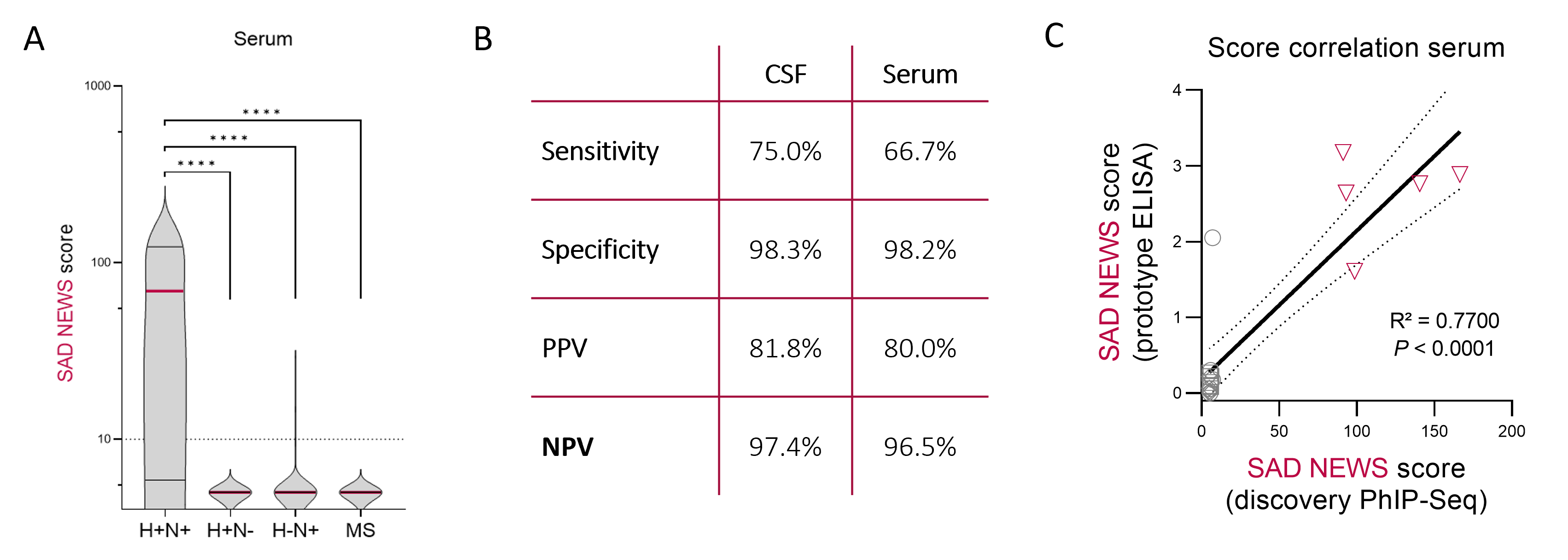
Fig. 1 HSV signature antibodies are associated with NMDARE development (modified after J. Kreye),
Technology Description
Using high-throughput phage immunoprecipitation sequencing, novel antibody biomarkers against five specific Herpes simplex virus type 1 (HSV-1) peptides were identified. Antibodies against these predictive “signature peptides” were almost exclusively found in patients with herpes simplex encephalitis (HSE) and secondary anti-NMDA receptor encephalitis (Fig. 1A, H+N+ group), with specificities greater than 98% and positive predictive values (PPV) greater than 80%, similarly in patients’ serum and cerebrospinal fluid (Fig. 1B). The signature peptides were used to develop a prototype ELISA, as an easy-to-translate and first-in-class diagnostic test (Fig. 1C), with the aim to advance patient-individualized risk assessment for a severe autoimmune complication in HSE- patients and to guide preventive treatments in the affected individuals. Moreover, the test can aid in determining the underlying cause of idiopathic encephalitis.
Commercial Opportunity
The technology is available for In-licensing.
Development Status
A prototype ELISA has been developed, further validation tests with additional patient cohorts and a clinical study are being planned.
Patent Situation
A priority establishing patent application was filed in July 2024, followed by a PCT application (PCT/EP2025/069331) in 2025.
Further Reading
Kreye J, et al., Specific viral antibodies associate with anti-NMDAR encephalitis after herpes simplex encephalitis. Brain Behav Immun. 2025 Aug 11;130:106073. doi: 10.1016/j.bbi.2025.106073.

Institute of Origin