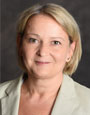
Dr Ralf Kühn, head of the Genome Engineering & Disease Models research group at the Max Delbrück Center, has been researching gene editing techniques for more than 10 years. His team uses and improves the CRISPR-Cas9 gene scissors. The HIROS/replace technology (Homology Independent Replacement of Sequences) developed in his laboratory and patent-protected can also efficiently exchange genetic fragments in differentiated and non-dividing mammalian cells in a very targeted and sequence-accurate manner. Kühn’s aim is to gain a better understanding of genetic diseases and to develop novel cell therapies with the help of the sharpened gene scissors.
This goal is shared by AlgenScribe, a biotechnology company based in Nice, which has also developed a proprietary gene-editing platform. The company aims at increasing the reach of its platform through the collaboration. The scientists at the Max Delbrück Center hope to bring their version of the gene scissors into application and commercialization more quickly. Together with AlgenScribe, they want to exploit the high potential for synergies in the development of therapeutic applications.
Ascenion, as long-standing technology transfer partner of the Max Delbrück Center, was able to initiate the cooperation at the French partnering event BioFit in Marseille.
Further information: Max Delbrück Center's press release
International cooperation at Ascenion’s partner institute Max Delbrück Center
The Max Delbrück Center in Berlin and the French biotech company AlgenScribe want to jointly develop and improve their genome editing tools. They aim to utilize synergies to develop cell therapies for genetic diseases.