The former x-cardiac GmbH has broadened its business focus and is now operating as Ascléa GmbH. At the same time, the Berlin-based start-up has successfully completed a Series A funding round to drive the further development of its AI solutions for everyday clinical practice.
Ascenion’s portfolio company sThesis GmbH is selected as one of eight international teams to receive up to EUR 1.5 million in the first phase of a SPRIND Challenge to develop novel sensor technologies for continuous hormone monitoring.
PROVIREX is expanding and has consolidated its research, quality control and production operations at tecHHub Hamburg. The start-up is driving forward its clinical development of curative HIV therapies whilst also offering contract manufacturing of CAR-T cells at its new premises.
Following a successful End-of-Phase II meeting, the US Food and Drug Administration (FDA) has given the green light for OMEICOS’ drug candidate OMT-28 to proceed directly into a pivotal Phase III clinical trial. This could significantly shorten the path to regulatory approval.
The Helmholtz Centre for Infection Research (HZI) in Brunswick has been nominated for the Falling Walls Foundation’s ‘Science Breakthrough of the Year 2026’ with two projects. The nominations recognize work on antibiotics and vaccines.
The investigational candidate ITM-31 demonstrated a manageable safety profile across all cohorts, as well as early signs of efficacy in patients with glioblastoma that had undergone standard therapy. All enrolled patients remain alive during ongoing follow-up.
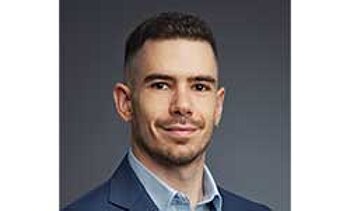
Dr Mario González García has been supporting our team in Munich and Berlin as a Technology Scout since June. He is a biochemist by training and brings valuable experience in the field of life-science venture capital.
Leading research institutions, technology transfer offices and venture capital investors in Germany have announced the launch of a jointly developed framework designed to enhance research-based spin-offs.
The Portuguese Champalimaud Foundation has acquired a portfolio of assets from Medigene Immunotherapies GmbH, together with the execution of an exclusive licence agreement with Helmholtz Munich for key chimeric co-stimulatory receptor technologies.
In spring 2026, projects from the Helmholtz Centre for Infection Research (HZI) in Brunswick received funding awards at both the German Biotech Days in Leipzig and Transfer X MACHEN – IBT Life Science Edition in Hanover.
Dr Sunčana Kern has just joined our Munich team as Technology Scout. With 15 years’ experience in biotechnology, she brings extensive expertise in the pharmaceutical development and GMP manufacturing of innovative cell and gene therapies.
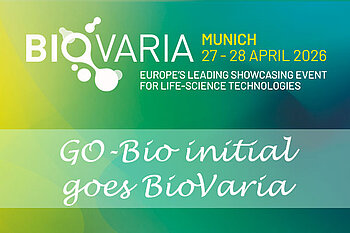
Thanks to funding from the German Federal Ministry of Research, Technology and Space (BMFTR), 30 project leaders from GO-Bio initial projects were able to attend BioVaria, one of the most important annual events for the European life-science community.
Ascenion is looking forward to its annual reunion with industry decision makers, venture capitalists, academic inventors and entrepreneurs. Ten of around 60 projects to be featured originate from Ascenion’s academic partners.
This first clinical evaluation of an in vivo HSC-directed gene insertion therapy aims to restore immune function in X-CGD patients. SB100X, a transposase licensed to Ensoma by Ascenion’s partner institute Max Delbrück Center, plays a key role in this context.
The Max Delbrück Center in Berlin, one of Ascenion’s partner institutes, has entered into an exclusive intellectual property licensing agreement with Circular Genomics, a US-based molecular diagnostics company focused on circular RNA-based assays for neurological and psychiatric disorders.
OMEICOS Therapeutics announce the successful conclusion of its multicentre, open-label Phase IIa PMD-OPTION Study evaluating its lead programme OMT-28 in patients with Primary Mitochondrial Disease (PMD).
Nearly 30 colleagues from technology transfer took part in Ascenion’s two-day workshop to learn about current developments and engage in intensive discussions.
Citrapeutics from the Helmholtz Centre for Infection Research (HZI) in Brunswick and RNA Healer from Hannover Medical School (MHH) receive a total of almost EUR 2.5 million in funding from IBT Lower Saxony to finance their innovations in biomedicine.
Ascenion’s new portfolio company Kernevo has set itself the goal of improving urine diagnostics. The challenge: cells in urine can only be kept intact for a very limited time. Kernevo’s solution: a patented technology stabilizes the samples, allowing them to remain analysable for much longer.
Captain T Cell, a biotechnology company developing next-generation TCR-T cell therapies for solid tumours, announced the successful closing of an equity financing round. The funds will enable the company´s lead programme CTC127 to progress into a first-in-human Phase I clinical trial.
The award honors the iGUARD team for successfully translating research into medical innovation. Their platform enables the rapid creation of inhalable RNAi therapeutics against viral lung diseases. The transfer is being supported by Ascenion.
The acquisition of Berlin-based medtech company PhantomX by IBA expands global access to high-precision imaging and AI validation solutions. Ascenion and the techtransfer of Charité supported PhantomX throughout its start-up journey.
The figures show that we are on the right track together. Start-ups and new products are reaching the market. AI is driving innovation – and the most exciting phase is just beginning ...
Do you have an early-stage project in the life sciences and are looking for funding to kickstart it? Join Ascenion’s annual Information Webinar to learn all about the GO-Bio initial funding program by the German Federal Ministry of Research, Technology and Space.
BioVaria 2026 will take place on 27/28 April at the Sofitel Munich. Technology transfer partners from several European countries will present around 70 commercially attractive projects. Application deadline for Startup Pitch & Partner is 15 February.
Biophelion is Ascenion’s latest spin-off from its partner institute Leibniz-HKI and RWTH Aachen University. The start-up aims to accelerate the transition to a circular economy in the chemical industry with the help of a yeast-like fungus.
Ascenion’s portfolio company APTA Therapeutics has acquired the rights to Berlin Cures' rovunaptabin drug. After top line results from its Phase II trial failed to demonstrate the efficacy of the DNA aptamer, a new study at Erlangen University Hospital is now showing positive results.
Ascenion’s partner institute Charité – Universitätsmedizin Berlin and NeoPredics AG have entered into a licence agreement for the use of the innovative PreFree technology. The main goal is the early prediction of the risk prediction of pre-eclampsia.
The Hamburg-based start-up TimeTeller is delighted to announce a strategic investment from capacura GmbH. The company is convinced that TimeTeller’s technology has the potential to fundamentally change medical care.
The amount of documentation required in hospitals is enormous, yet much of this data remains unused or is only accessible to individual departments. dotbase medical GmbH wants to change this: its platform structures clinical data centrally and enables comprehensive use.
Which market am I targeting with my business idea? Who are my potential customers? And who are my competitors? The answers to these questions help scientists make insight-driven strategic decisions.
Ascenion's new portfolio company RareLink is pursuing the important goal of enabling personalized therapy management for myasthenia gravis through telemonitoring with its ‘MyaLink’ platform. The rare neurological autoimmune disease causes muscle weakness.
"We ensure that innovation finds its way into society. This has become a profession in the academic world." Dr Christian A. Stein, General Manager of Ascenion GmbH, in the new promotional film of TransferAllianz
How can public research organisations (PROs) better support the creation of successful spin-offs – and do so faster? A new report by the National Associations Advisory Committee (NAAC) of ASTP offers valuable insights into this question.
HepaRegeniX GmbH, a clinical-stage company advancing novel therapies to treat acute and chronic liver diseases, recently announced the second closing and completion of a EUR 21.5 million financing round with the addition of Wellington Partners to its investor syndicate.
How do I write a business plan? What funding is available for my project? What else do I need to consider before and while founding a start-up? Scientists can find the answers to these and many more questions in Ascenion’s new digital Roadmap.
A record number of over 320 innovators from the international life-science community gathered in Munich for the 17th BioVaria, Europe’s premier event for showcasing commercially attractive inventions and start-ups.
Ascenion’s portfolio company Aptila Biotech has launched DIA-NN 2.0, an AI-powered software that simplifies and enhances proteomics data analysis. The commercial version of DIA-NN 2.0 is now available, meeting strong industry demand.
At the end of January, 27 technology transfer experts met at Ascenion to share their experiences and discuss key issues relating to spin-offs, the design of basic agreements and software-based inventions.
The new antibiotic BTZ-043 was discovered at the Leibniz-HKI in Jena, one of Ascenion’s partner institutes. It has been developed for clinical use in cooperation with the Tropical Institute at the LMU Hospital Munich, with funding from the German Center for Infection Research (DZIF).
Supported by its technology transfer partner Ascenion, Max Delbrück Center has entered into a licensing agreement with Kite providing the company with non-exclusive rights to use the transposon system for the genetic engineering of T cells.
The additional funding will be used to build new product offerings for biopharmaceutical clients, fuel growth within the United States (US), and develop a leading foundation model for pathology in collaboration with Mayo Clinic.
Alejandro Restrepo Arango has joined the Brunswick team as technology scout. He will closely work with HZI scientists, supporting them in all IP- and transfer-related aspects of their work.
Spin-offs, start-ups, inventions from research institutes and universities – all these help to secure Germany’s leading economic position. Read more about start-ups, and the part we play in them, in our Annual Review.
The spin-off from the Max Planck Institute for Molecular Genetics and the Charité – Universitätsmedizin Berlin raised EUR 1.3 million to further advance its AI-Digital HealthTech platform.
The financing was led by NBank Capital and CARMA FUND I, and supported by a group of experienced business angels. The spin-off will use the proceeds to further advance its groundbreaking approach to improving the safety of organ transplantation.
A high-caliber jury selected ‘PROTON’ from HZI and ‘Bacta Implants’ from MHH as winners out of nine finalists at the 2nd IBT portfolio conference. The funding enables further translational development of the inventions towards application.
The Max Delbrück Center in Berlin and the French biotech company AlgenScribe want to jointly develop and improve their genome editing tools. They aim to utilize synergies to develop cell therapies for genetic diseases.
Prof. Dr Christian Hertweck, Head of the Department of Biomolecular Chemistry at the Leibniz-HKI and Professor of Natural Product Chemistry at the Friedrich Schiller University Jena, has been awarded one of the prestigious ERC Advanced Grants by the European Research Council (ERC).
HepaRegeniX GmbH have announced the closing of a Series C round. The new funds will be used to advance the clinical development of the company’s candidate HRX-215 for liver regeneration.
Captain T Cell, a spin-off from the Max Delbrück Center (MDC), focuses on developing T cells to target solid tumours. The funds are intended to expedite the development and deployment of a new generation of T-cell therapies in clinical settings.
A new radiopharmaceutical that enables earlier detection and targeted treatment of small-cell lung carcinoma has been developed at the Medical University of Innsbruck (MUI), and licensed to Evergreen Theragnostics with Ascenion’s support.
The University Hospital Bonn (UKB) and the Helmholtz Centre for Infection Research (HZI) are cooperating with the Japanese pharma company Eisai to further develop an antibiotic for the treatment of tropical diseases.
The international life-science community gathered this week in Munich for the 16th BioVaria, Europe’s leading showcasing event for breakthrough technologies and start-ups in the field. Organized by 13 top-tier technology transfer organizations, the event serves as a catalyst for forging partnerships between industry and academia to advance transformative innovations into commercial development.
MHH spin-off Cardior will be taken over for up to EUR 1.025 billion including an upfront payment and additional payments if certain development and commercial milestones are achieved.
Cardior has pioneered a new approach for the treatment of heart disease by targeting distinctive non-coding RNAs.
Cardior’s Phase II candidate CDR132L is supported by strong Phase I and preclinical data suggesting the compound is safe and able to achieve cardiac functional improvements.
A record number of 40 technology transfer colleagues joined Ascenion’s two-day workshop to connect with peers and to learn about the latest developments in patenting, AI, and structuring deals, spin-offs and equity.
The US company Immusoft has dosed the first subject with its investigational engineered B cell therapy, ISP-001, in a human Phase I clinical trial of mucopolysaccharidosis type I (MPS I).
dentalXrai and Tube Pharmaceuticals were both acquired by international key players in their respective fields. The transactions add new momentum, development and marketing power to the start-ups’ projects.
Ascenion supports spin-offs from their partner institutes on their long-term growth trajectory. Recently, four of our portfolio companies have received different awards and prizes – sincere congratulations!
Through its spin-off program, Helmholtz Enterprise finances the establishment of start-up teams and the implementation of start-up projects in the Helmholtz Association.
Over the years, a strong clinical pipeline has arisen from our partners’ research projects, with the potential to provide enormous benefits for patients. Immerse yourself in all the details in our Annual Review, with selected projects, tips and figures.
The EU-funded AiChemist project aims to provide advanced AI approaches with increased explainability and broad applicability. It brings together key players from academia and industry and includes a structured training program for AI specialists.
Leopard Biosciences GmbH, founded in July, is developing a new diagnostic platform that can detect multiple markers in a single test. The translation of the technology was made possible by funding from the Helmholtz Association.
Ten female-led startups competed in the finale of the Female StartAperitivo startup competition. Ascenion’s portfolio company TimeTeller received the most votes in the public ballot for a method to make chemotherapy more effective and less harmful to the patient.
Ascenion's portfolio company OMEICOS has received a significant grant by the German Federal Ministry of Education and Research (“BMBF”) to co-finance a Phase 2a study evaluating their lead product candidate OMT-28 in Primary Mitochondrial Disease (PMD) patients.
The Berlin start-up develops AI-based software for predicting complications after major cardiac surgery. New business angels and family offices have now invested in the company, alongside the existing investor consortium around IBB Ventures.
BioM and Sweden’s SmiLe Incubator are once again holding their annual BioTech Bootcamp. This free, international training programme is aimed at aspiring entrepreneurs in the field of medical biotechnology.
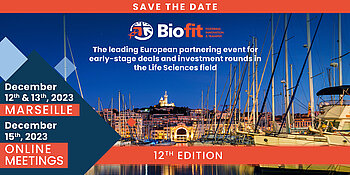
BioFIT 2023 will take place on 12 & 13 December in Marseille (France) and on 15 December online. More than 1,000 delegates from 35+ countries, 80 exhibitors and 60+ high-level international speakers are expected to join the event.
A record number of over 270 innovators from academia and industry came together in Munich for this year’s BioVaria, one of Europe’s leading events boosting partnerships for the transfer of life-science inventions into application.
‘Valuable insights, trusting atmosphere and great people’ was how a participant summed up her experience of the two-day workshop hosted by Ascenion exclusively for colleagues from its partner institutes, universities and clinics.
The partners have initiated a phase I trial to evaluate LuCaFab (ITM-31), a radiolabelled a-CA XII antibody Fab fragment, for the treatment of glioblastoma. The goal is to eradicate residual tumour cells following surgery to reduce the risk of relapse.
The investment round is led by TRUMPF Venture with the objective of translating iThera Medical’s optoacustic imaging technology into routine clinical use.
Recovery Cat has developed software to improve the care of around six million patients in Germany with severe mental disorders. The investors are IBB Ventures’ Impact Fonds, Springboard Health Angels and a family office from Heidelberg.
Bioventure and IFB Innovationsstarter GmbH are financing the Hamburg biotech company for the next four years – to build the necessary infrastructure for research and production.
With the new round of funding, Aignostics aims to continue growing their team, putting a stronger focus on the US market, and accelerating their investment into their platform and regulatory excellence.
Dermagnostix will use the funds to launch its lead product PsorX in Europe and extend its game-changing approach for the molecular diagnosis of skin diseases to further indications.
Johanna Reimann joined Ascenion in April 2022 as PR & Event Manager. She will support the Munich team in organizing BioVaria and other events and help manage cross-media communications with key stakeholders.
EUR 47 million committed by fund initiators Ascenion and Goethe-University together with the European Investment Fund (EIF), Evotec, and other investors
Focus on high-potential, early-stage life-science start-ups and projects, sourced from Ascenion’s and Innovectis’ partner institutions and other European academic institutions
15 + 5 years timeframe enables the partners – and the institutions they represent – to participate in future profits
TANGO Therapeutics will employ two CRISPR technologies invented by Ulrich Elling at IMBA and in part by Krzysztof Chylinski at VBCF to discover genes involved in tumourigenesis and immune evasion as targets for next-generation therapies.
Supported by Ascenion, Felix Krenzien and his team at Charité – Universitätsmedizin Berlin attracted the grant from the Else Kröner-Fresenius-Stiftung (EKFS) to translate their new approach for quantifying extracellular NAD+ into medical practice.
Pharma-backed incubator INCATE selected the HZI start-up project Myxobiotics as one of the first start-ups to get support. Myxobiotics develops a new class of antibiotics against Acinetobacter baumannii, which causes severe, difficult-to-treat respiratory infections.
BioVaria will take place in a hybrid format on May 11 and 12, 2022 - live at the Sofitel in Munich and virtually. 14 technology transfer partners from five European countries will present more than 50 commercially attractive licensing opportunities. Application for the Startup Pitch & Partner programme is now open until March 1, 2022.
Céline Christiansen has joined the Berlin team as technology scout. She will closely work with MDC and Charité scientists, supporting them in all IP- and transfer-related aspects of their work.
The financing round was supported by a selected network of investors from medical and financial sectors. It enables the start-up to advance its fully automated ‘lab-in-a-box’ system for the molecular diagnosis of skin diseases to the market.
Supported by Ascenion, Matthias Bruhn and his team at TWINCORE - Centre for Experimental and Clinicial Infection Research have attracted EUR 97,000 to explore the commercial feasibility of their MEMUMAB project. The goal is to provide therapeutic antibodies against infectious diseases such as COVID-19.
On 30 November 2021, Ascenion will host the first GO-Bio Information Webinar as part of our BMBF-funded Life Science Digital Hub project. Participants…
Three projects from Ascenion’s partner institute have been awarded translational funding. Two of the teams hope to develop novel antivirals, the third is working to create a new diagnostic platform.
The company will use the proceeds to advance its groundbreaking optoacoustic imaging technology into clinical practice. If successful, it would provide a superior, non-invasive alternative to established diagnostic procedures in many diseases.
We have all seen the digital health trend approaching – but it has nevertheless surprised us with its speed and force. Here our summary of last year’s highlights, start-up projects and key figures, in the field of digital health and beyond.
The German Federal Ministry of Education and Research (BMBF) is providing EUR 6.5 million in funding for 10 selected research projects targeting long-term symptoms of COVID-19. Ascenion’s partner institutes are making significant contributions to three of these projects.
Ascenion welcomes two new colleagues: Rebecca Engels is coordinating Ascenion’s activities in the GO-Bio initial programme from our Munich office, and Arturo Robertazzi supports our Berlin team as technology manager.
25 August 2021, Munich – Cardior Pharmaceuticals has closed a Series B financing round totalling EUR 64 million (USD 76 million). The round was led by…
The method, SARSeq (Saliva Analysis by RNA sequencing), enables highly sensitive, massively-parallel and cost-effective testing for SARS-CoV-2. Ascenion has supported its patent protection and licencing for commercial use in China.
The start-up has also been certified as a medical device manufacturer in the EU. Its x-c-bleeding product uses AI-based software to predict the risk of post-operative bleeding in patients in intensive care units.
The start-up has dosed the first participant in a Phase I study with its lead candidate HRX-0215. The small molecule holds strong potential to restore the liver’s natural capacity to regenerate itself, both in acute and chronic liver disease.
The HIOH pursues an integrative approach to understanding the emergence of new pathogens and developing suitable intervention mechanisms. Ascenion is its technology transfer partner.
Biomax Informatics AG, a well-established start-up from the Helmholtz Zentrum München, has been acquired by Horizonte Venture Management. The proceeds from the sale of Ascenion’s equity will be distributed as research grants via the LifeScience Foundation.
The Berlin start-up uses AI to recognize post-operative complications before they become critical. IBB Ventures and several business angels have invested in the company.
Scientists from the Helmholtz Institute for RNA-based Infection Research (HIRI) and the Julius Maximilian University (JMU) in Würzburg have paved the way for a new diagnostic platform that enables the detection of multiple markers in one single test.
Join Europe's Knowledge Transfer community at the sector's premier annual event uniting experts, professionals, and industry from around the world. The new office ticket allows you to participate with the whole team for just 1,500 EUR.
Heidelberg Pharma AG is allowed to initiate a Phase I/IIa clinical study in the US to evaluate the dosing, safety and anti-tumour efficacy of its lead candidate HDP-101 in multiple myeloma.
16 partners from academia and industry will closely collaborate to prepare a future generation of scientists with outstanding skills in both machine learning and chemistry, to create new AI methods for drug research.
Ascenion, technology transfer partner of Hannover Medical School (MHH), has supported the conclusion of a collaboration and licence agreement between MHH and Novo Nordisk.
As part of its ‘GO-Bio initial’ programme, the BMBF has awarded Ascenion funding for its 'Life Science Digital Hub' concept to improve support for GO-Bio initial applicants.
Ascenion’s portfolio company HepaRegeniX achieves an important preclinical milestone indicating beneficial therapeutic effects of its lead candidate in certain liver carcinomas.
An innovative approach to combat infections caused by Staphylococcus aureus will receive funding of initially 1.33 million USD plus an additional 7.44 million USD, depending on project progress. It is jointly developed by the HZI and the LDC.
Ascenion will support eight members and four partners of the Innovative Training Network (ITN) ‘SMABEYOND’ in all aspects relating to the intellectual property and potential commercialization of their work.
Ascenion’s portfolio company iThera gained regulatory approval for a pivotal trial evaluating its MSOT imaging technology for the assessment of colon inflammation. If successful, it could provide a superior, non-invasive alternative to colonoscopy.
How is the German start-up sector doing? Are there ‘zombies’ here too – as in the USA? And what should we be looking out for? A number of heads of German technology transfer organisations were interviewed for this overview, including Ascenion’s Christian Stein.
Supporting start-ups has always been a particular focus of our activities. In 2019, we have seen significant successes and opposing trends in this area. Here our summary of highlights, figures and key developments in the start-up field and beyond.
The TransferAllianz proposes 5 measures to leverage the innovation potential of academic research and drive sustainable economic recovery following the corona crisis.
HepaRegeniX has demonstrated proof-of-efficacy in acute liver disease in preclinical studies performed in collaboration with the University Hospital of Tübingen (Germany) and the Mayo Clinic (Rochester, MN, USA).
Ascenion welcomes a new colleague to the Munich office: Cristina Romano joined the company as Legal Counsel in July 2020, bringing over 15 years’ professional experience to the team.
Join us on 24 June and on 1 July 2020 for our webinars, presenting the top licensable projects in the field of gene and cell therapy from Ascenion’s and Oxford University Innovation’s (OUI) portfolios.
Newly founded dentalXrai provides a unique, AI-based platform to improve and speed up the analysis of dental X-ray images. Ascenion, technology transfer partner of the Charité – Universitätsmedizin Berlin, holds equity in the start-up.
Diffratec, a spin-off from the Medical University of Innsbruck (MUI), commercializes breakthrough diffractive elements. These elements, in particular Moiré lenses, are extremely compact and tunable with high speed and precision.
Formula Pharmaceuticals, a partner of the Max Delbrück Center for Molecular Medicine (MDC) has merged with cell therapy specialist CoImmune, with CoImmune as the surviving company. The new entity will continue its strategic partnership with the MDC.
Cardior Pharmaceuticals GmbH has published results of preclinical in vivo studies in Nature Communications showing that its lead compound, CDR132L, can significantly improve the functioning of pathologically altered hearts.
How to increase the social benefit of European research funding? Members of the ASTP’s National Associations’ Advisory Committee (NAAC) recently met representatives of the European Commission (EC) in Brussels to discuss this question.
We would like to thank all our clients, colleagues and partners in technology transfer, research and industry for the enjoyable and productive collaboration over the past year.
A research team at the German Center for Neurodegenerative Diseases (DZNE) has received the ‘Hugo Junkers Award for Research and Innovation from Saxony-Anhalt 2019’.
Ascenion GmbH, technology transfer partner of the Max Delbrück Center for Molecular Medicine (MDC), has supported the conclusion of an agreement between the MDC and Fate Therapeutics, Inc.
Learn about the milestones we reached together with our partners in 2018, the revenues we generated and interesting emerging trends. The key points at…
Simultaneously Closes Strategic Growth Investment from Ampersand Capital to Create a Leading Provider of Genomic and Cell and Tissue Analysis Products…
Get ready for Europe’s largest event for knowledge and technology transfer (KTT): ASTP-Proton’s Annual Conference is taking place in Dublin on 21 – 23…
Agreement with Max Delbrück Center Provides Access to Broad Intellectual Property Portfolio of Unique Humanized Antibody Fragments and Antigen-Binding…
Amgen announced that the Japanese Ministry of Health, Labour and Welfare has granted marketing approval for BLINCYTO® (blinatumomab) for the treatment…
The European Commission has granted approval for Amgen’s BLINCYTO® (blinatumomab) for the treatment of pediatric patients with certain forms of B cell…
Drug developer Berlin Cures announced the successful completion of its Phase 1 study of its lead candidate BC 007 for the treatment of cardiomyopathy.…
A career in academia? Or maybe rather in industry? This is a question that preoccupies nearly every scientist at some point. But you can have the best…
In the IBM DACH blog „Think“, Ascenion reports on the new possibilities and challenges in the area of digital health presented in the keynote talks at…
A consortium of nine partners from five European countries, led by the Helmholtz Zentrum München, will work together with a transdisciplinary approach…
The transition to a clinical company is probably the most adventurous and riskiest step in the life of a biotech company. Get it right the first time! …
Berlin Cures, one of Ascenion’s investment portfolio companies, has announced the start of a clinical trial with its lead candidate BC007. The Phase I…
As a long-term partner and supporter of BioFIT Ascenion cordially invites you to join the event. BioFIT is a premier partnering platform in Europe for…
In our current newsletter you can read about projects that benefit from LifeScience Foundation grants, and discover what a former industry manager who…
BigChem GmbH was founded this October to commercialize validated IT products and services developed at the Helmholtz Zentrum München. The research was…







![[Translate to English:]](/fileadmin/_processed_/5/d/csm_MHH_TO.jpg_5157b4d943.png "[Translate to English:]")

![[Translate to English:]](/fileadmin/user_upload/ascenion_jb25_de_250925_titelgrafik_350x160_c.jpg "[Translate to English:]")

![[Translate to English:]](/fileadmin/_processed_/b/5/csm_KEYVISUAL_2026_750_x_325_px_78d9b2deb2.jpg "[Translate to English:]")




![[Translate to English:]](/fileadmin/_processed_/4/3/csm_Ascenion_Noteworthy_a685c80048.jpg "[Translate to English:]")
![[Translate to English:]](/fileadmin/_processed_/2/7/csm_Header__600_x_250_px__e13a27d553.jpg "[Translate to English:]")

![[Translate to English:]](/fileadmin/_processed_/7/9/csm_Aignostics_2024_5ab1d03efe.jpg "[Translate to English:]")

![[Translate to English:]](/fileadmin/_processed_/0/8/csm_Allogenetics_89b6f9b192.jpg "[Translate to English:]")
![[Translate to English:]](/fileadmin/_processed_/e/0/csm_Header_BioVaria_2024_Newsletter_750_x_325_afdaeff979.jpg "[Translate to English:]")
![[Translate to English:]](/fileadmin/_processed_/5/c/csm_Cardior_2021_01_1c65c7a9b4.jpg "[Translate to English:]")
![[Translate to English:]](/fileadmin/_processed_/e/6/csm_dentalxrai_tube_3499e49997.png "[Translate to English:]")
![[Translate to English:]](/fileadmin/_processed_/2/2/csm_Awards_web_2016141d47.jpg "[Translate to English:]")

![[Translate to English:]](/fileadmin/_processed_/7/c/csm_BMBF_gefoerdert_2017_en_3c3ffdb97b.jpg "[Translate to English:]")
![[Translate to English:]](/fileadmin/_processed_/8/a/csm_Beyza_Yildiz_93d6cc1d66.png "[Translate to English:]")
![[Translate to English:]](/fileadmin/_processed_/1/f/csm_AIChemist_web_a39a67f5d3.jpg "[Translate to English:]")
![[Translate to English:]](/fileadmin/_processed_/a/7/csm_Leopard_Biosciences_a9f790e2de.jpg "[Translate to English:]")



![[Translate to English:]](/fileadmin/_processed_/3/1/csm_Header_BioVaria_2023_Newsletter_750x325_58207c31a5.jpg "[Translate to English:]")
![[Translate to English:]](/fileadmin/_processed_/6/0/csm_HMGU_Webseite_2021_bc805a6c1a.jpg "[Translate to English:]")


![[Translate to English:]](/fileadmin/_processed_/3/b/csm_Recovery-Cat-neu_c3caebeda4.jpg "[Translate to English:]")
![[Translate to English:]](/fileadmin/_processed_/3/8/csm_T-knife_1b17dca543.jpg "[Translate to English:]")
![[Translate to English:]](/fileadmin/_processed_/0/d/csm_Aignostics_40cf80b33f.jpg "[Translate to English:]")
![[Translate to English:]](/fileadmin/_processed_/0/0/csm_Dermagnostix_web_8ebd64fde7.png "[Translate to English:]")
![[Translate to English:]](/fileadmin/_processed_/e/3/csm_Reimann_9a1a87bb2f.jpg "[Translate to English:]")
![[Translate to English:]](/fileadmin/_processed_/0/5/csm_Ascenion_logo_4c_1dd68e02cc.png "[Translate to English:]")
![[Translate to English:]](/fileadmin/_processed_/f/8/csm_Header_BV_2022_1356x775_Newsletter_4ceb7798ee.jpg "[Translate to English:]")
![[Translate to English:]](/fileadmin/_processed_/5/8/csm_HZI_2020_E_d77aee6867.jpg "[Translate to English:]")


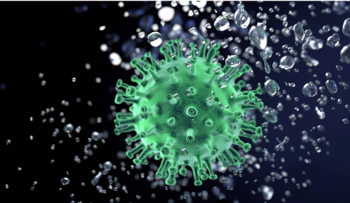
![[Translate to English:]](/fileadmin/_processed_/a/d/csm_BioM_Key_Visual_Summit_2021_670ed91a5a.jpg "[Translate to English:]")

![[Translate to English:]](/fileadmin/_processed_/2/e/csm_tknife_de8a617065.jpg "[Translate to English:]")
![[Translate to English:]](/fileadmin/_processed_/0/3/csm_Biomax_2021_1f4fc79634.png "[Translate to English:]")
![[Translate to English:]](/fileadmin/_processed_/f/6/csm_Logo_x-cardiac_2c26ecbdfb.png "[Translate to English:]")
![[Translate to English:]](/fileadmin/_processed_/0/b/csm_Logo_HIRI_546e7b3499.jpg "[Translate to English:]")
![[Translate to English:]](/fileadmin/_processed_/b/7/csm_AC_Promo_for_Partners-03_955a6f51d5.jpg "[Translate to English:]")
![[Translate to English:]](/fileadmin/_processed_/2/d/csm_RZ_KEYVISUAL_WEB_2021_01_7bb5e2f19d.jpg "[Translate to English:]")
![[Translate to English:]](/fileadmin/_processed_/8/9/csm_Logo_MDC_8c2cf30ed2.png "[Translate to English:]")
![[Translate to English:]](/fileadmin/_processed_/2/d/csm_HelmholtzZentrum_m%C3%BCnchen_Logo_8563d19025.png "[Translate to English:]")
![[Translate to English:]](/fileadmin/_processed_/e/d/csm_MHH_und_Novo_Nordisk_9c9f993089.png "[Translate to English:]")
![[Translate to English:]](/fileadmin/_processed_/c/e/csm_bmbf_e35ff9a6a9.jpg "[Translate to English:]")
![[Translate to English:]](/fileadmin/_processed_/3/7/csm_Weihnachtslogo_9967e7fe69.png "[Translate to English:]")
![[Translate to English:]](/fileadmin/_processed_/a/c/csm_cardior_8f64500ef9.jpg "[Translate to English:]")
![[Translate to English:]](/fileadmin/_processed_/5/d/csm_SMABEYOND_mediumsmall_1783fde2b3.png "[Translate to English:]")
![[Translate to English:]](/fileadmin/_processed_/3/f/csm_ithera_logo_f09e9b443b.png "[Translate to English:]")
![[Translate to English:]](/fileadmin/_processed_/8/a/csm_lj_logo_adfffe9806.gif "[Translate to English:]")

![[Translate to English:]](/fileadmin/_processed_/1/c/csm_Romano_Cristina_web_8822657c4d.png "[Translate to English:]")
![[Translate to English:]](/fileadmin/_processed_/1/5/csm_DentalXrai_84c1ecef7c.jpg "[Translate to English:]")
![[Translate to English:]](/fileadmin/_processed_/f/3/csm_Logo_52c163fcd2.jpg "[Translate to English:]")
![[Translate to English:]](/fileadmin/_processed_/3/b/csm_MDC_2022_db5ddb85f9.jpg "[Translate to English:]")

![[Translate to English:]](/fileadmin/_processed_/9/f/csm_logo-dummy-mitarbeiter_b3b70e90a2.png "[Translate to English:]")
![[Translate to English:]](/fileadmin/_processed_/4/6/csm_Workshop_TT_ff44dedfcf.jpg "[Translate to English:]")

![[Translate to English:]](/fileadmin/_processed_/9/d/csm_xmas2019_3_web_148e328f5e.jpg "[Translate to English:]")

![[Translate to English:]](/fileadmin/_processed_/5/5/csm_Photonion_2bc6ef2e98.jpg "[Translate to English:]")
![[Translate to English:]](/fileadmin/_processed_/5/b/csm_ascenion_grafikWEB_JB2018_3aea3efe3c.jpg "[Translate to English:]")
![[Translate to English:]](/fileadmin/_processed_/f/8/csm_WBC_1be695ab53.jpg "[Translate to English:]")